

March 23, 2026
From Wall Street to Silicon Valhalla, Flower’s Stephen Stakhiv has built a wide-ranging career managing everything from capital raising and trading to M&A. As an Investment Manager at Flower, he now finds himself at the epicenter of a renewable energy investment boom.
“The hype is definitely real. But in truth, flexibility is fragmented. To win, a solid investment strategy is key,” he says.
/https%3A%2F%2Fwww.flower.se%2Fwp-content%2Fuploads%2F2026%2F02%2F3X2A0347-4-e1773844340406.jpg)
From his early entry as an investment banking professional on Wall Street to his multi-year role as a VP at Deutsche Bank in London, the U.S. born-and-raised Stephen Stakhiv has always been driven by one core focus: the practice of managing capital.
His arena was long the banking and corporate sector – until he was introduced to the world of renewable energy financing.
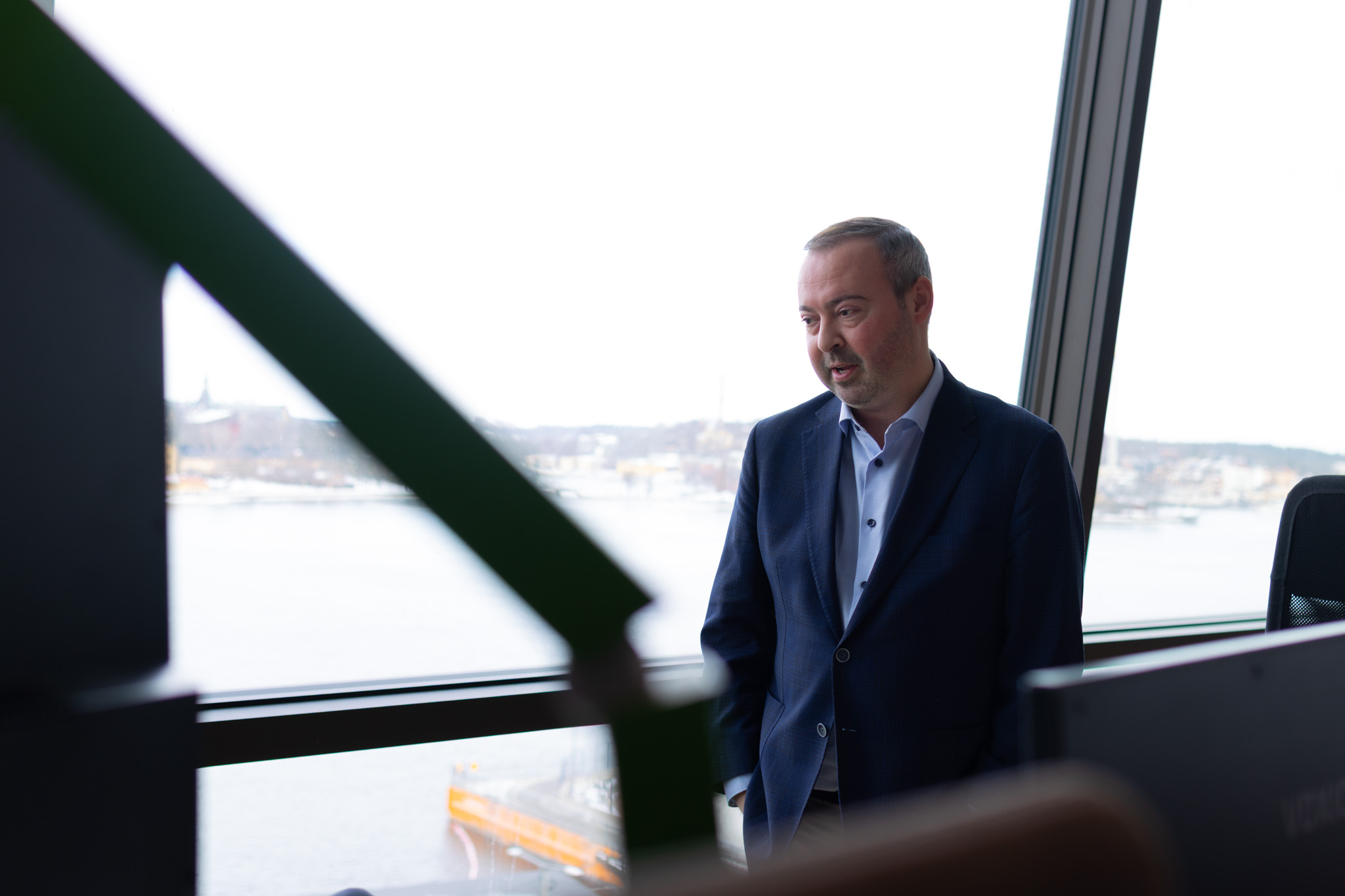
“I honestly didn’t plan to work in renewable energy, but the investment and equity landscape has shifted rapidly toward this sector in recent years. New technology like battery systems requires long-term investment strategies and well-structured capital frameworks. It therefore became a compelling next step for me. At Flower, I enjoy acting as a bridge between energy investors and our future projects as we work to accelerate the energy transition,” he says.
Aside from helping to raise equity through funding rounds, Stephen is structuring bonds to finance future projects, helping to establish tolling agreements to secure stable recurring revenue, creating investment fund structures to acquire projects, and continuously identifying new investment opportunities for Flower.
This kind of diversified financial toolkit is still rare in the flexibility sector, but increasingly necessary, he explains.
“If you look at the larger European utilities, a broad financial foundation is standard practice. The flexibility sector, however, is still young, and the market consists of many niche players solving fragmented challenges. The next phase will require investment strategies with a much wider scope. Bonds, tolling agreements, investment funds, and long-term project investments designed to refinance energy assets – these are crucial tools for advancing the sector,” he says.
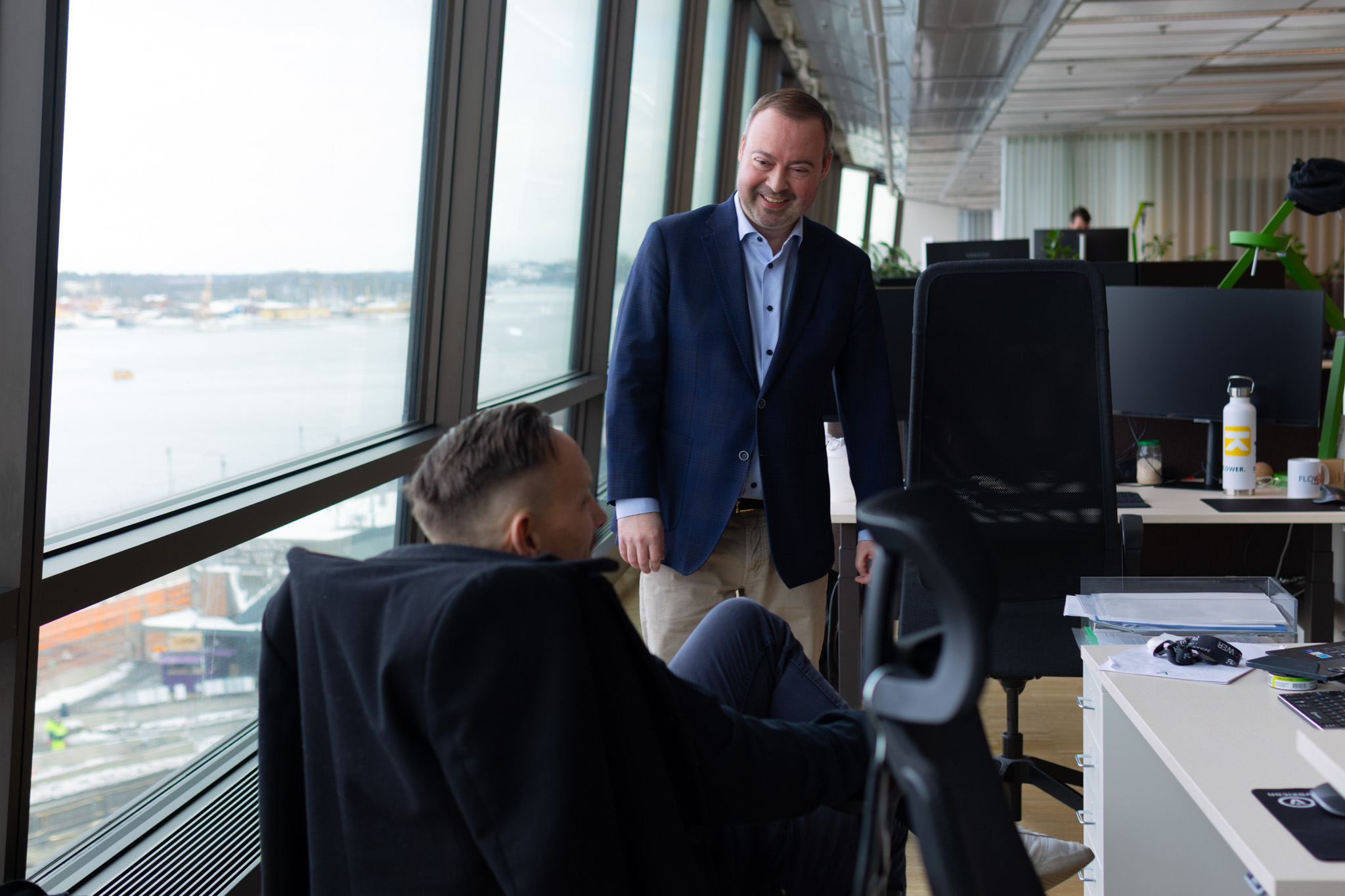
As battery system deployment accelerates across Europe, Stephen sees a growing potential in several markets that are large but still maturing.
“Many European markets are ramping up, with large-scale projects in the pipeline for the coming years. Some of these have the potential to become guiding stars in powering the transition. But to reach that point, solid financial structuring – including tolling agreements and multi-stage structured capital funding – is essential. Battery owners therefore need fast-moving partners with deep knowledge of the energy market who can provide the financial foundation required to scale.”
As Flower continues to expand its project portfolio and investment pipeline, Stephen’s responsibilities are growing accordingly.

“We recently closed our first bond of approximately EUR 66 million, which will be used to finance our European projects over the coming years. In addition, we have several ongoing investment dialogues that could play a significant role in our continued development. But as always, my lips are sealed until the final papers are signed,” he says.
“Our long-term ambition is to build Europe’s leading next-gen energy company. With our advanced investment framework in place, we have a strong foundation to turn that vision into reality.”
/https%3A%2F%2Fwww.flower.se%2Fwp-content%2Fuploads%2F2026%2F08%2FELLEVIO.Final-224_web960x1440-e1786522763152.jpg)
/https%3A%2F%2Fwww.flower.se%2Fwp-content%2Fuploads%2F2026%2F02%2FFlower_Photos_Site-Storrun-11.jpg)
/https%3A%2F%2Fwww.flower.se%2Fwp-content%2Fuploads%2F2025%2F11%2F11.25_PLEXOS-03.jpg)
/https%3A%2F%2Fwww.flower.se%2Fwp-content%2Fuploads%2F2025%2F05%2Fmonta-charging-car.png)